
2026-10-06 · David Miller
Safe Household Methods for Minor Kitchen Drain Clogs
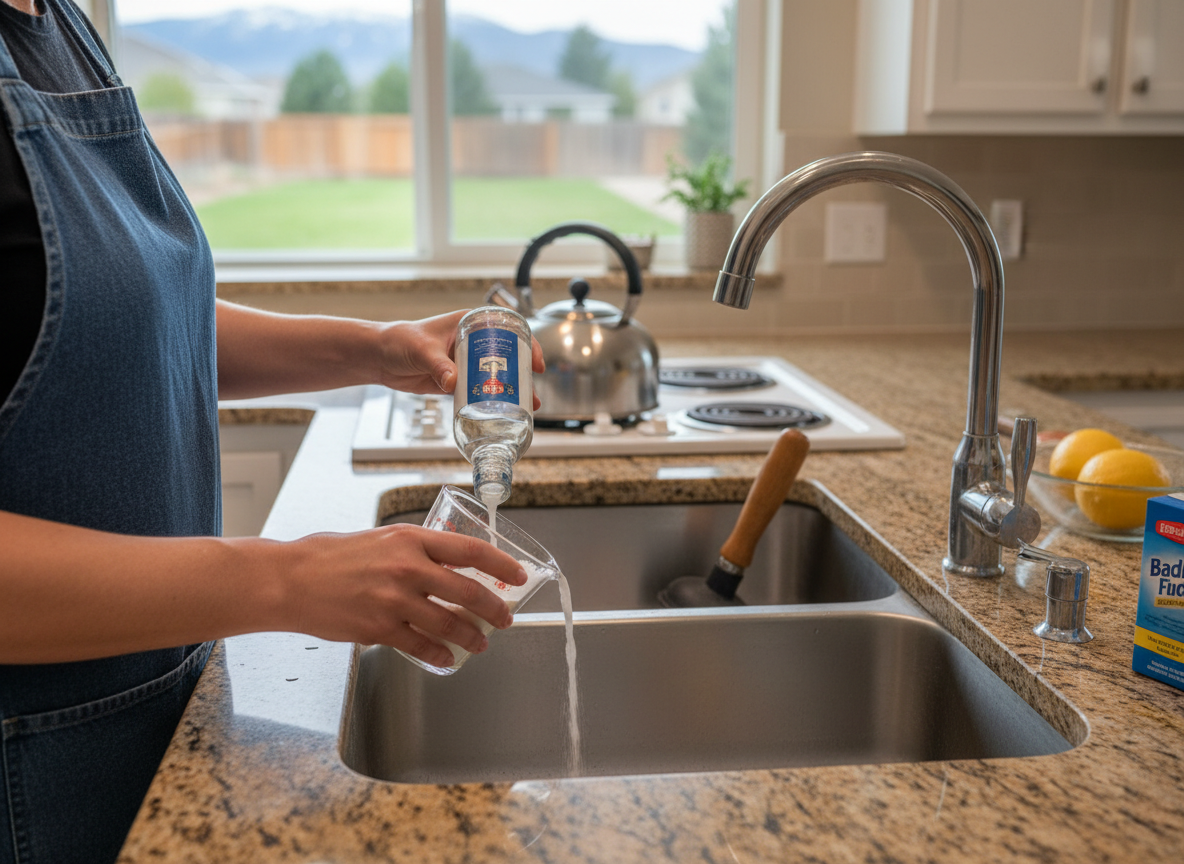
Yes, many minor kitchen drain clogs can be safely and effectively cleared using common household methods, often saving you the cost and inconvenience of a service call. These methods are particularly effective for clogs caused by everyday culprits like grease buildup, food particles, and soap scum, which are prevalent in the kitchen drains of Englewood homes, from the bungalows near Cushing Park to the newer developments closer to Cherry Hills Village. The key is to address them early when they're still minor blockages, rather than waiting until the drain is completely stopped. Aggressive chemical cleaners, while seemingly quick, often do more harm than good to your pipes and should generally be avoided.
Understanding Common Kitchen Clog Culprits in Englewood
Kitchen drains face a unique set of challenges compared to other household drains. In Englewood, with its mix of older homes and newer constructions, the plumbing systems can vary, but the types of clogs remain fairly consistent. The primary culprits are usually grease from cooking, which solidifies in the cool pipes; food particles like coffee grounds, rice, pasta, and vegetable scraps; and soap scum from dishwashing detergents. Over time, these materials accumulate on the inner walls of your pipes, gradually restricting water flow until a full blockage occurs. This is particularly noticeable in the colder winter months when the semi-arid climate means pipes are often cooler, allowing grease to congeal more quickly.
The age of homes in areas like Downtown Englewood, with their original cast iron or galvanized steel pipes, can exacerbate these issues. These older pipes often have rougher internal surfaces where debris can cling more easily than in modern PVC or PEX pipes. Even in newer homes, the sheer volume of fats, oils, and greases (FOG) entering kitchen drains can lead to stubborn blockages if not managed properly. Understanding what causes these clogs is the first step in preventing them and choosing the right clearing method.
The Boiling Water Flush: Your First Line of Defense
For minor, slow-draining kitchen sinks, a simple boiling water flush is often the most effective and safest initial approach. This method works by dissolving grease and loosening other soft debris that might be clinging to your pipe walls. To perform this, carefully boil a large pot (around 1–2 gallons) of water. Once boiling, slowly pour it down the drain in 2–3 stages, allowing a few seconds between each pour. This gives the hot water time to work on the clog without overwhelming the drain all at once. For best results, follow this with a flush of hot tap water for a minute or two. Avoid using boiling water if you have PVC pipes and a complete blockage, as extreme heat on stagnant water could potentially damage the pipe seals, though this is rare with minor clogs and flowing water.
This method is particularly useful in Englewood during the colder parts of the year, when the semi-arid climate brings cold winters, causing cooking grease to solidify faster in drain lines. Regular boiling water flushes, perhaps once a week, can act as a preventative measure, especially for homes in Arapahoe County that see frequent cooking and dishwashing. It's a non-invasive, environmentally friendly solution that can often clear minor blockages before they become a bigger problem, saving you from needing more intensive services like Drain Snaking later on.
The Baking Soda and Vinegar Reaction
When boiling water isn't quite enough, the baking soda and vinegar method offers a slightly more aggressive, yet still safe, approach. This relies on a chemical reaction that produces effervescence, helping to break down and dislodge softer clogs. Start by pouring about 1/2 cup of baking soda down the clogged drain, ensuring as much as possible goes directly into the opening. Follow this immediately with 1 cup of white vinegar. You'll hear fizzing and see bubbles – this is the reaction at work. Quickly cover the drain opening with a stopper or a plate to contain the reaction and force it downwards into the pipe. Let it sit for 30–60 minutes, or even overnight for tougher clogs.
After the waiting period, flush the drain with hot tap water. If the clog persists, you can try pouring a kettle of boiling water down the drain after the baking soda and vinegar treatment to help wash away any loosened debris. This method is excellent for breaking down fatty acids from grease and loosening food particles without introducing harsh chemicals into your plumbing system or the local Englewood water treatment facilities. It's a classic, cost-effective solution for those stubborn, but not completely stopped, kitchen sink issues.
Using a Plunger Effectively for Kitchen Sinks
A plunger is a remarkably effective tool for many kitchen drain clogs, but it needs to be used correctly. Unlike toilet plungers, a cup-style plunger is usually best for flat sink drains. First, remove any standing water from the sink so that only about 1–2 inches remain, enough to cover the plunger's rim. If you have a double sink, you'll need to seal the other drain opening tightly with a stopper or a wet cloth to ensure proper suction. Also, if your sink has an overflow opening, seal that as well.